Things to Do in Washington DC and a Manageable Three Day Itinerary
The best starting point in Washington, DC is the National Mall: choose a few memorials, visit one museum that matches your interests, and leave time for a neighborhood meal. Many major museums are free, but some require advance passes. Free admission does not always mean you can arrive whenever you want.
This guide groups things to do in Washington, DC into days that leave room for security lines, walking and breaks. Three days is a useful planning allowance for a first visit; it is not enough to see every Smithsonian museum or every major government building.
Decide what matters most
| Your priority | A useful starting point | Planning issue |
|---|---|---|
| Memorials | Lincoln Memorial and nearby memorials | Outdoor distance and weather |
| Aviation and space | National Air and Space Museum on the Mall | Free timed-entry pass |
| American history | American History or African American History and Culture | Different entry arrangements |
| Children interested in nature | Natural History Museum | Choose a few galleries |
| Government and architecture | Capitol area | Check official tour arrangements |
| A slower afternoon | Georgetown or another neighborhood | Allow travel time beyond the Mall |
One substantial museum per day is a sensible starting point. Add another only if your group still has energy and a clear reason to go.
Walk the memorials with a route and a stopping point
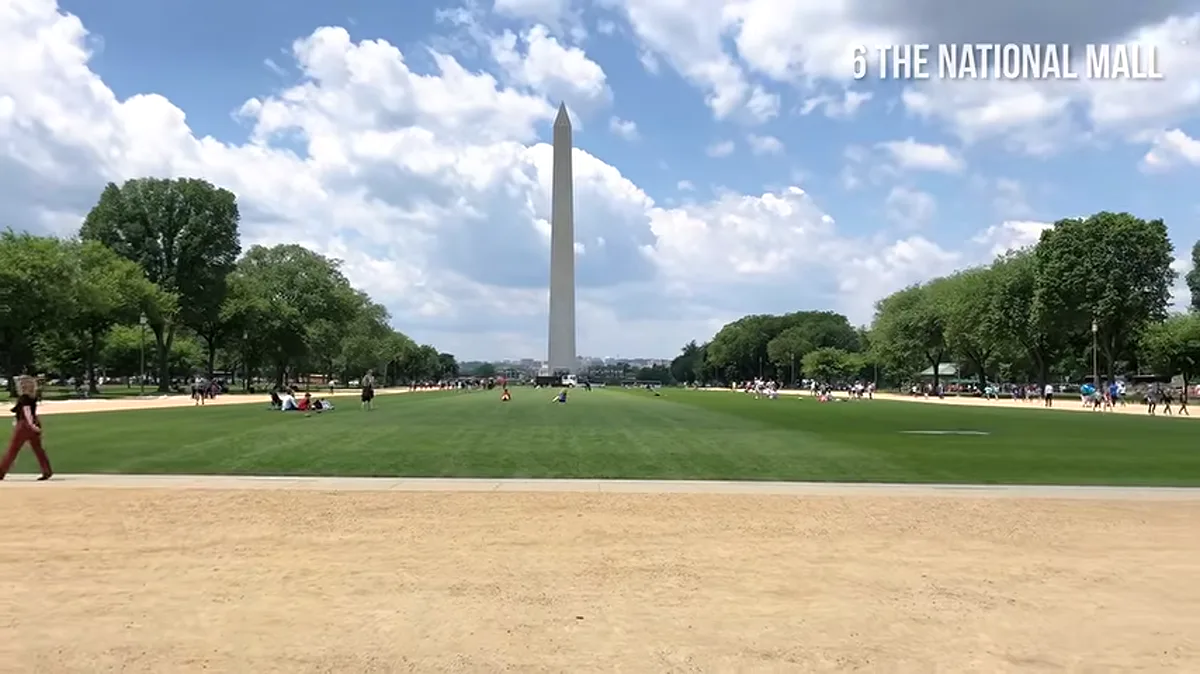
The Lincoln Memorial, Vietnam Veterans Memorial, Korean War Veterans Memorial and World War II Memorial can form a meaningful outdoor outing. Read the interpretive material instead of treating each place only as a photo stop.
Do not judge the walk by the apparent closeness of monuments in a photograph. The Mall is a large space. In hot weather, schedule water and indoor breaks; in cold or wet weather, shorten the route before everyone becomes uncomfortable.
The Washington Monument is a different visit from looking at it from outside. Check the NPS page if you want an interior visit. Similarly, an exterior stop near a government building does not include access to its interior.
Choose a Smithsonian museum you will enjoy
The National Museum of Natural History is a good choice for visitors drawn to fossils, animals and geology. The National Museum of American History suits those interested in objects and stories from the country’s past. Choose a few galleries rather than expecting to absorb an entire collection in a quick circuit.
The National Air and Space Museum on the Mall requires free timed-entry passes. The National Museum of African American History and Culture also requires free timed-entry passes, and its subject deserves unhurried attention. Smithsonian’s current guidance lists the National Zoo as another Washington location requiring passes. Other Smithsonian museums have their own current visitor information. [S1]
Reserve directly through official museum channels. Do not mistake a commercial sightseeing product for the only way to obtain museum access.
Add art and founding documents according to your interests
The National Gallery of Art is a useful alternative to another history museum. A focused visit to a few rooms can be more rewarding than covering the entire building. The National Archives is a separate institution with its own entry arrangements and security procedures.
For either visit, check current opening details and any restrictions on bags. If the display of a particular work or document is the reason for traveling, confirm it is available rather than relying on an older itinerary.
Explore the Capitol area without promising access
The Capitol, Library of Congress and surrounding streets offer a different perspective from the western end of the Mall. Check official visitor pages before planning tours or reading-room access. Some spaces require reservations, and the arrangements can change.
Keep government-building visits together where possible. A tour followed by an unrelated timed booking across town creates little margin for security or delays. White House tours need separate advance arrangements; they should not appear as a guaranteed walk-in stop.
Leave the Mall for part of the trip
Georgetown offers a change of scale, with shops, food and waterfront walking. Penn Quarter can work for a meal near central attractions. Other neighborhoods may fit your group’s interests better, but choose one deliberately instead of adding a distant restaurant between two tightly timed visits.
Arlington National Cemetery is across the Potomac in Virginia, outside DC. If you include it, allow time for travel and a respectful visit. It is an active cemetery, not simply another monument to check off.

Three days in Washington DC
| Day | Morning | Afternoon | Flexible evening |
|---|---|---|---|
| 1 | Western Mall memorials | One museum or gallery | Dinner near your accommodation |
| 2 | A reserved museum visit | Capitol area or another nearby interest | A short illuminated memorial walk if energy allows |
| 3 | A neighborhood outing or Arlington | Unfinished priority or relaxed museum visit | Departure buffer or a final meal |
This is a suggested sequence, not a set of bookable appointments. Swap indoor and outdoor portions around the forecast and your actual passes. Destination DC also recommends a multi-day first visit built around museums, the Mall and neighborhood attractions. [S2]
With only one day, choose one major museum and a manageable memorial route. A day trip from New York is possible as a transport exercise, but it leaves limited sightseeing time; compare it with an overnight stay before committing.
Make a family itinerary easier
Ask each child to choose one interest, then build around it. A few engaging galleries, lunch and an outdoor pause usually work better than a full day of standing and reading. Keep a rainy-day museum option and avoid treating arrival after a long flight as a full sightseeing day.
Check stroller access and bag policies before leaving the hotel. If anyone has mobility needs, plan entrances and routes in detail; do not assume that the closest gate or Metro entrance is the accessible one.
Control the cost without filling every hour
Free admission creates room in the budget for transport and meals. It does not require visiting as many museums as possible. Compare sightseeing passes against the actual paid attractions on your list, since many of DC’s main draws do not charge admission.
Bring a refillable bottle where permitted and plan breaks rather than buying whatever is closest when everyone is exhausted. Avoid making a rigid daily spending promise: lodging, season, group size and dining choices change the total considerably.
What should you book first
- Required museum passes for your priorities.
- Any official building tour that is central to the trip.
- Accommodation with a practical transport connection.
- Paid activities only after the free or reserved anchors are settled.
Cherry blossom timing depends on conditions each year. Do not promise peak bloom for a particular weekend months ahead. Check official forecasts and local access updates closer to the trip.
Plan your next step: Reserve your highest-priority museum, then place one nearby outdoor or neighborhood stop around it.
Frequently asked questions
Are all Washington DC museums free
No. Many major public museums are free, including Smithsonian museums in DC, but private attractions may charge. Check the institution rather than assuming.
Which Smithsonian visits need passes
Current Smithsonian guidance requires passes for Air and Space on the Mall, African American History and Culture, and the National Zoo. Recheck before visiting.
Can I see the main attractions in one day
You can see a selection. Choose a compact route and one museum rather than expecting a complete city visit.
Do I need a car
For a central sightseeing trip, compare Metro, walking and other local transport before renting. Parking and traffic can add unnecessary work.
Is the Mall manageable with limited mobility
Plan the specific route, entrances and transport connections. Distances are substantial, so build in breaks and check accessibility information for each venue.
SOURCES
- [S1] Smithsonian entry and passes
https://www.si.edu/visit/guidelines - [S2] Destination DC first visit itinerary
https://washington.org/dc-itinerary/washington-dc-favorites-itinerary